
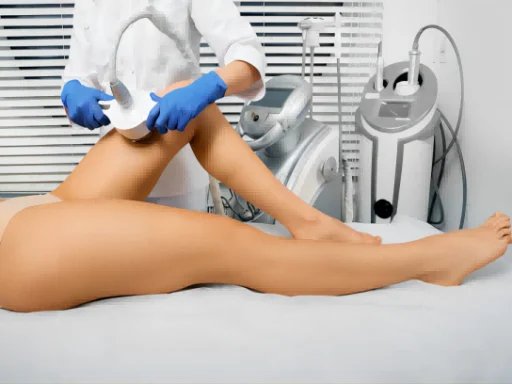

Ultrasonic cavitation has become one of the most popular non-invasive body contouring treatments for people looking to reduce stubborn fat without surgery. Many individuals choose this procedure to slim their thighs, improve body shape, and enhance confidence. If you have searched for ultrasonic cavitation thighs transformation before and after, you’re probably wondering whether the treatment delivers noticeable results. Understanding how the procedure works and what kind of transformation is realistic can help you make an informed decision.
Ultrasonic cavitation uses low-frequency ultrasound waves to target fat cells beneath the skin. These sound waves create tiny bubbles that disrupt the fat cell membranes, causing the cells to release their contents. The body then naturally processes and eliminates the broken-down fat through the lymphatic system over the following days and weeks. Since the treatment focuses on fat reduction rather than weight loss, it is best suited for people who are already close to their ideal body weight but struggle with localized fat deposits.
The thighs are among the most commonly treated areas because they often store stubborn fat that is resistant to diet and exercise. Both the inner and outer thighs can benefit from ultrasonic cavitation, resulting in a smoother and more sculpted appearance. Many clients report a reduction in thigh circumference after completing several treatment sessions, along with improved body proportions.
Before treatment, a consultation is typically performed to evaluate your goals and determine whether ultrasonic cavitation is appropriate for your needs. During each session, a handheld device is moved across the treatment area while emitting ultrasound energy. Most people describe the procedure as comfortable and painless, with only a slight warming sensation or a faint buzzing sound in the ears caused by the ultrasound frequency.
The before and after transformation varies from person to person. Some individuals notice subtle changes after their first session, while others require six to ten treatments for more dramatic results. Factors such as metabolism, hydration, lifestyle, and the amount of body fat all influence the outcome. Maintaining a healthy diet, drinking plenty of water, and engaging in regular physical activity can significantly enhance and preserve the results.
One of the biggest advantages of ultrasonic cavitation is that it requires no surgery, anesthesia, or recovery time. Patients can usually return to their normal daily activities immediately after each appointment. Mild redness or temporary warmth in the treated area may occur, but these effects generally disappear within a few hours.
It is important to understand that ultrasonic cavitation is not a replacement for weight-loss programs. Instead, it is designed to contour specific areas by reducing localized fat deposits. People with realistic expectations are generally the most satisfied with their results. While the treatment can improve thigh shape and definition, maintaining the transformation requires healthy lifestyle habits.
In conclusion, an ultrasonic cavitation thighs transformation before and after can be impressive for suitable candidates who commit to a full treatment plan and maintain a balanced lifestyle. Although results vary, many people experience slimmer thighs, improved body contours, and increased self-confidence ultrasonic cavitation before and after. Consulting a qualified practitioner is the best way to determine whether ultrasonic cavitation is the right option for achieving your body contouring goals.